
Article at a Glance
- Exercising during pregnancy is recommended by the WHO: 150 minutes of moderate activity per week reduces the risk of gestational diabetes, pre-eclampsia and excessive weight gain
- The most suitable sports are walking, swimming, prenatal yoga and pilates, which strengthen the body without impact risk
- Some sports are strictly off-limits: combat sports, skiing, horse riding, scuba diving and any sport with a risk of falling or abdominal impact
- Intensity should be adjusted each trimester and any abnormal sign (bleeding, contractions, dizziness) requires you to stop immediately and seek medical advice
The Benefits of Exercise During Pregnancy
You just found out you are pregnant and you are wondering whether you can keep exercising. The answer is yes, and it is actually highly recommended. Staying active during pregnancy is not a luxury — it is a genuine ally for your health and your baby’s. The WHO recommends 150 minutes of moderate physical activity per week for pregnant women with no contraindications.
Exercise significantly reduces the risk of complications. Studies show a 25 to 30% decrease in gestational diabetes risk among active women. Pre-eclampsia, excessive weight gain and prenatal depression are also less common. Your body copes much better with the changes when it is regularly maintained.
The physical benefits are tangible in everyday life. Less lower-back pain, fewer heavy legs and cramps, better sleep and more energy. Exercise also improves bowel movement, often slowed down by progesterone. Your mood gets a boost too, thanks to the endorphins released during physical activity.
When it comes to delivery, women who stay active during pregnancy recover faster after giving birth. The pelvic floor and deep muscles engaged during exercise help during labor. It is not a guarantee, but it is a serious asset for approaching the big day with confidence.
Recommended Sports During Pregnancy
Not all sports are equal when you are pregnant. The ideal approach is to favor low-impact activities with no fall risk and moderate intensity. Here are the five most pregnancy-friendly sports, endorsed by healthcare professionals.
| Activity | Main Benefits | Trimesters | Ideal Frequency |
|---|---|---|---|
| Walking | Circulation, mood, endurance | T1, T2, T3 | 30 min/day |
| Swimming | Joint relief, back, breathing | T1, T2, T3 | 2–3x/week |
| Prenatal yoga | Flexibility, breathing, pelvic floor | T1, T2, T3 | 2–3x/week |
| Prenatal pilates | Posture, deep muscles, pelvic floor | T1, T2, T3 | 1–2x/week |
| Stationary bike | Cardio, legs, no impact | T1, T2 | 2–3x/week |
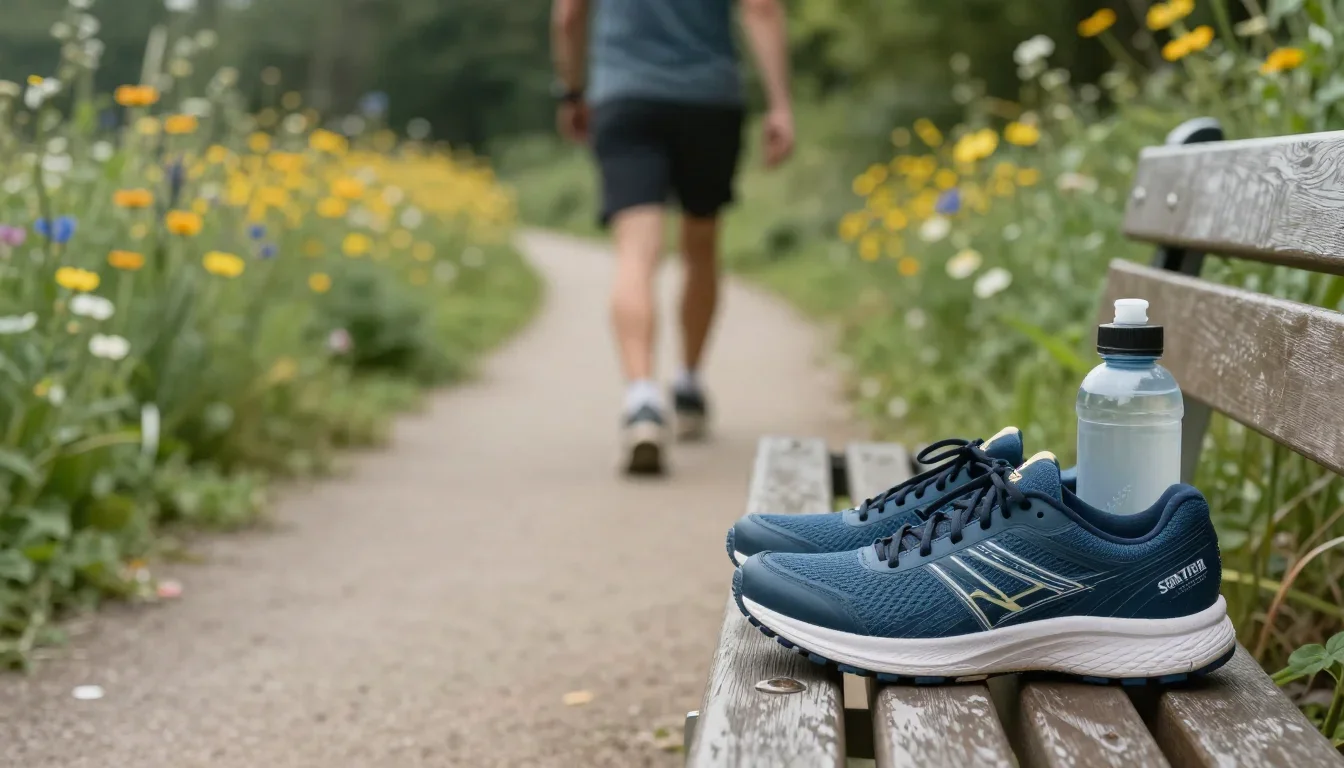
Walking remains the most accessible and safest activity. It requires no special equipment, adapts to your pace and can be practiced right up to your due date. Thirty minutes a day at a brisk pace is enough to enjoy all the cardiovascular benefits. Invest in good walking shoes — that is the only prerequisite.
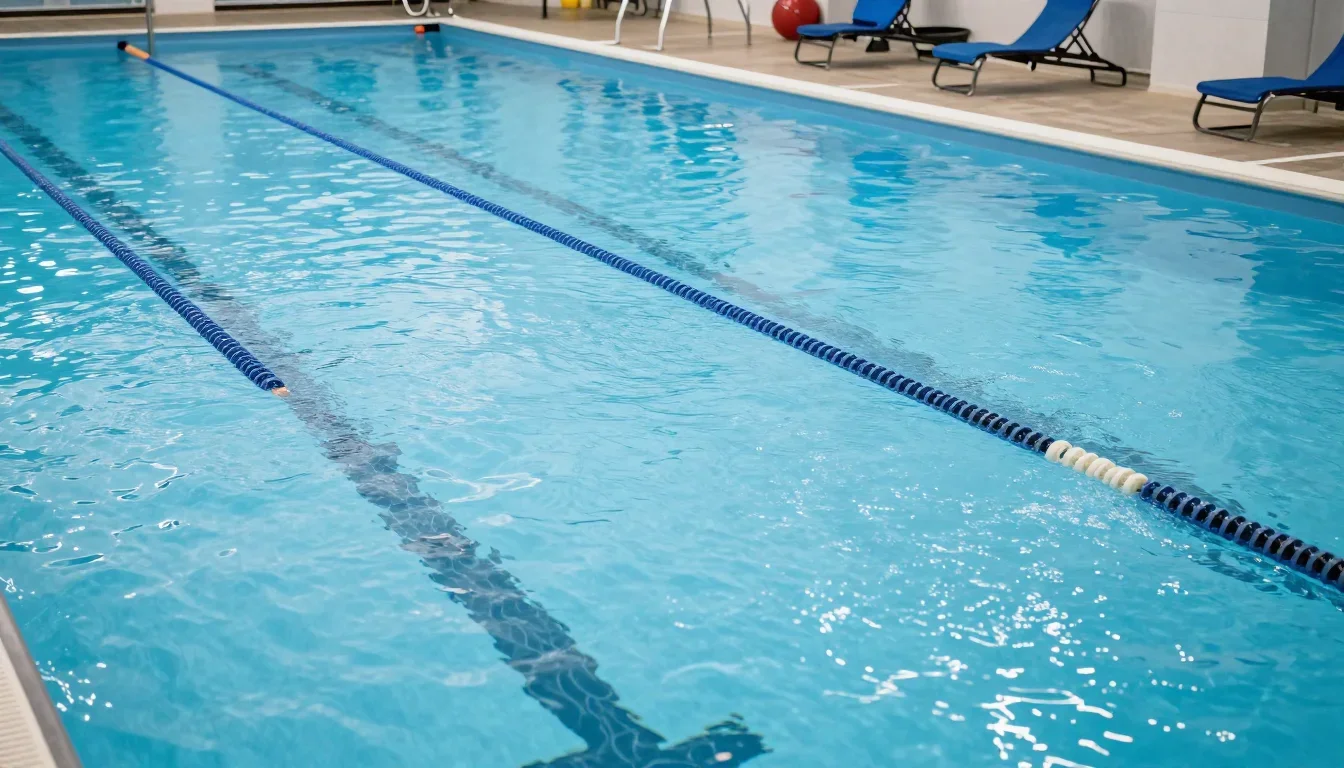
Swimming is the favorite sport of pregnant women, and for good reason. The water supports your weight and relieves your joints. You feel light, even in the third trimester. Breaststroke and backstroke are the most suitable strokes. Also consider prenatal aqua fitness, supervised by trained professionals.
Prenatal yoga is an excellent choice for working on breathing, flexibility and birth preparation. Poses are adapted trimester by trimester. Yoga strengthens the pelvic floor, relieves back tension and helps you manage stress. Make sure you choose a class specifically labeled « prenatal » with a trained instructor.
Prenatal pilates targets the deep muscles: transverse abdominis, pelvic floor and back muscles. It is an ideal sport for preventing diastasis recti and maintaining good posture despite the growing belly. As with yoga, a supervised and specialized class is essential.
Sports to Avoid During Pregnancy
Some sports carry risks that are too high for pregnant women. The rule is simple: any sport involving a risk of falling, abdominal impact or excessive pressure should be avoided. Even if you were an expert before your pregnancy, the risk-benefit ratio is just not worth it.
Strictly Contraindicated Sports
- Combat sports and martial arts: risk of direct blows to the abdomen, even during training
- Downhill skiing and snowboarding: high fall risk, altitude and extreme cold
- Horse riding: unpredictable falls and vibrations transmitted to the pelvis
- Scuba diving: decompression risk for the fetus, strictly forbidden
- Contact team sports: rugby, handball, basketball, football — possible collisions
- Mountain biking and road cycling: fall risk, especially with a shifting center of gravity
- Traditional crunches: excessive pressure on the diastasis and pelvic floor
Altitude above 2,500 meters is not recommended after the first trimester. Oxygen becomes scarce and your baby could be affected. If you hike in the mountains, stay below this limit and drink more water.
High-impact sports like trampolining, intense running or CrossFit should also be avoided. Your pelvic floor is already under pressure from the weight of the uterus. There is no point adding repeated impacts that increase the risk of organ prolapse after delivery.
Adapting Exercise Trimester by Trimester
First Trimester: Listen to Your Body
The first trimester is often marked by fatigue and nausea. This is not the time to break records, but to maintain regular activity. If you were exercising before your pregnancy, you can continue most of your activities at a lower intensity. If you are starting from scratch, begin with daily walks.
Avoid sessions that are too long or too intense. Your body is producing relaxin, a hormone that loosens your ligaments. You are more flexible but also more vulnerable to sprains and overstretching. Stay well hydrated and do not skip breakfast before your session.
Second Trimester: The Best Time to Move
Nausea fades, energy returns, and your belly is not yet too cumbersome. The second trimester is the ideal time to make the most of exercise. You can slightly increase the length of your sessions and mix activities: swimming on Monday, yoga on Wednesday, walking on the weekend.
Watch out for lying flat on your back from week 20 onward. The uterus compresses the vena cava and can cause faintness. Adapt your floor exercises by positioning yourself on your side or propping up your torso. Your coach or midwife can show you alternatives.
Third Trimester: Slow Down but Do Not Stop
Your belly is large, your breath shorter, and you tire more quickly. Slow down the pace but do not stop altogether. Walking and swimming remain your best allies right up to your due date. Prenatal yoga is also excellent for preparing your body for labor.
Opt for short sessions of 20 to 30 minutes. Listen to your body’s signals and take breaks. Breathing exercises and gentle stretches take over from more intense workouts. The pelvic floor and back deserve special attention in these final weeks of pregnancy.
Intensity and Frequency: Key Guidelines
The talk test is your best intensity indicator. If you can hold a conversation during exercise without being so out of breath that you cannot finish a sentence, you are in the right zone. If you are gasping, it is too intense. If you can sing effortlessly, you can pick up the pace a little.
In terms of frequency, aim for 3 to 5 sessions per week lasting 20 to 40 minutes. Short, regular sessions are better than a single marathon workout on the weekend. Consistency is key: your body adapts gradually and the benefits accumulate over the weeks.
Golden Rules of Exercise During Pregnancy
- Hydrate before, during and after: drink at least 500 ml of water per session, more in summer
- Always warm up: 5 to 10 minutes of gentle movements to prepare muscles and joints
- Avoid overheating: do not exercise in direct sun, wear breathable clothing and ventilate the room
- Eat before your session: a light snack 30 minutes beforehand to prevent low blood sugar
- Never hold your breath: exhale during effort to protect your pelvic floor
Your heart rate should generally not exceed 140 beats per minute. A heart rate monitor or smartwatch can help you track your effort. However, the talk test remains more reliable and simpler for everyday use.
Warning Signs That Require an Immediate Stop
Even though exercise is beneficial during pregnancy, certain warning signs should make you stop your session immediately. Never ignore these symptoms — they may indicate a complication requiring urgent medical attention.
Stop exercising and seek immediate medical attention if you experience:
- Vaginal bleeding or leaking amniotic fluid
- Regular, painful contractions before your due date
- Chest pain or difficulty breathing that persists at rest
- Dizziness or fainting during or after exercise
- Severe headaches that do not subside
- Calf pain with swelling (possible sign of deep vein thrombosis)
- Noticeable decrease in baby’s movements after your session
Certain medical conditions are absolute contraindications to exercise. High-risk twin pregnancy, placenta previa, shortened cervix, history of premature delivery, gestational hypertension or heart disease: in these cases, your OB-GYN or midwife will tell you what you can and cannot do.
When in doubt, always seek medical advice before starting or resuming physical activity. A medical clearance certificate is a good starting point. Your midwife can also guide you toward the activities best suited to your situation.
Further Reading
Frequently Asked Questions
Can I keep running while pregnant?
If you were running regularly before your pregnancy, you can continue in the first trimester at a reduced intensity and duration. Gradually switch to brisk walking in the second trimester. Repeated impact puts too much strain on the pelvic floor as your belly grows. Ask your midwife for advice.
Can exercise cause a miscarriage?
No, moderate physical activity does not cause miscarriage. First-trimester miscarriages are primarily linked to chromosomal abnormalities. Adapted exercise is actually beneficial. However, violent sports or those with a risk of abdominal impact should be avoided as a precaution.
How long after giving birth can I resume exercise?
Gentle walking can resume within the first days after delivery. For more intense exercise, wait for your postnatal checkup (6 to 8 weeks) and especially pelvic floor rehabilitation. Resuming too early without rehabilitation increases the risk of incontinence and organ prolapse.
Is swimming risky in late pregnancy?
Swimming is one of the safest sports right up to your due date. The water supports your weight and eliminates any risk of falling. Simply avoid butterfly stroke and sudden movements. If you have lost your mucus plug, check with your midwife before returning to the pool.
Do I need a medical certificate to exercise while pregnant?
A certificate is not legally required for independent exercise, but it is highly recommended to discuss it with your doctor or midwife. Group prenatal classes (yoga, pilates, aqua fitness) often require one. It is also an opportunity to check for any contraindications specific to your pregnancy.


