

The Importance of Micronutrients During Breastfeeding
Micronutrients are essential for the health and well-being of mothers and their infants during breastfeeding. Good maternal nutrition is crucial to prevent conditions such as neonatal jaundice, and to ensure quality lactation.
Overview of the role of micronutrients in lactation
It has been shown that micronutrient deficiencies in mothers can lead to similar deficiencies in exclusively breastfed infants, affecting their growth and development. This relationship between maternal micronutrient intake and breast milk concentrations highlights the importance of adequate nutrition.
Impact of breastfeeding on the mother’s micronutrient stores
Breastfeeding has a significant impact on the mother’s micronutrient stores. To avoid the negative effects of breastfeeding on the mother’s nutritional status and health, it is crucial to pay particular attention to her diet during breastfeeding to ensure it is varied, balanced, and adequate in energy. This nutritional approach helps preserve the mother’s health while providing optimal nutrition to the infant.

Key Micronutrients for Breastfeeding Mothers
The importance of an adequate intake of specific micronutrients is fundamental for the health of the breastfeeding mother and the optimal development of the baby.
Calcium
Importance for bone health of mother and baby
Calcium is vital for the bone health of both mother and infant. A calcium-rich diet is recommended to meet the increased needs during this period. Dairy products, leafy green vegetables, nuts, and seeds are excellent sources of calcium. This nutritional approach is essential for maintaining calcium balance.

Calcium Tablets Vegan High Dose – 180 Tablets – 800mg Calcium Carbonate per Daily Dose – No Unwanted Additives – Made in Germany & Lab Tested
11,89€
★★★★☆ 4.6 (643 Reviews)
Buy Now
Iron
Role in preventing maternal anemia
Iron is essential for preventing anemia in breastfeeding mothers. Red meats, legumes, and fortified cereals are good sources of iron. Vitamin C, important for iron absorption, is found in fresh fruits and vegetables. Iron intake is crucial for maternal and infant health.

Iron Bisglycinate 28mg – 400 Vegan Micro-Tablets (+1 year) – Iron Dietary Supplement High Absorption – For Fatigue & Immune System – Natural Ingredients & Gluten Free
18,99€
★★★★☆ 4.4 (6741 Reviews)
Buy Now
Vitamin D
Essential for bone health and immune function
Vitamin D plays an important role in bone health and immune function. Sun exposure, fortified foods, and supplements are effective ways to increase vitamin D intake. Bone health is essential for both mother and baby.
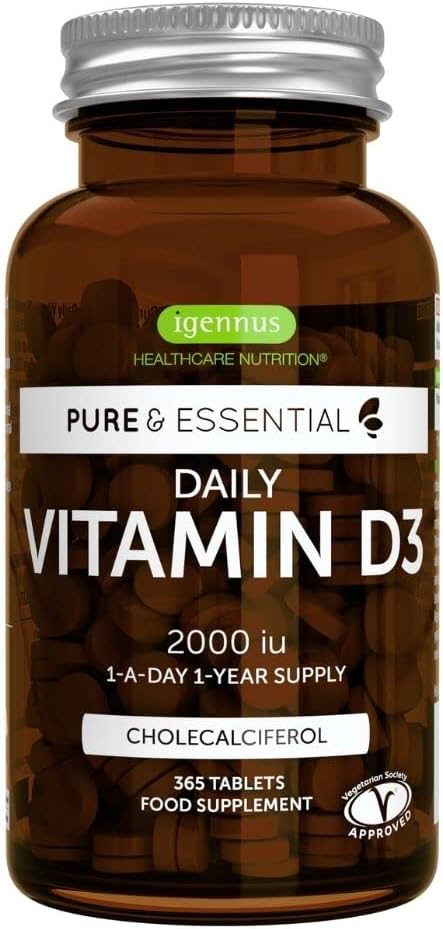
Daily Vitamin D3 2000 IU Cholecalciferol, One Year Supply, 1 Per Day, 365 Small Easy-to-Swallow Tablets, Vegetarian
11,95€
★★★★☆ 4.4 (9435 Reviews)
Buy Now
Folate (Vitamin B9)
Its crucial role in preventing birth defects and supporting baby growth
Folate is essential for preventing birth defects and supporting infant growth. Green vegetables, legumes, and fortified cereals are excellent sources of folate. Folate supplementation may be necessary.

Pure L-Methylfolate 400 mcg, Folate, Bioavailable Form of Folic Acid/Vitamin B9, No Unwanted Additives, 180 Small Vegan Tablets, Pregnancy Supplement, 1-per-day, by Igennus
16,88€
★★★★☆ 4.6 (78 Reviews)
Buy Now
Zinc
Importance for immune function and cell growth
Zinc is vital for the immune system and cell growth. Meat, seafood, legumes, and seeds are zinc-rich food sources. The importance of zinc is crucial for both mother and infant.
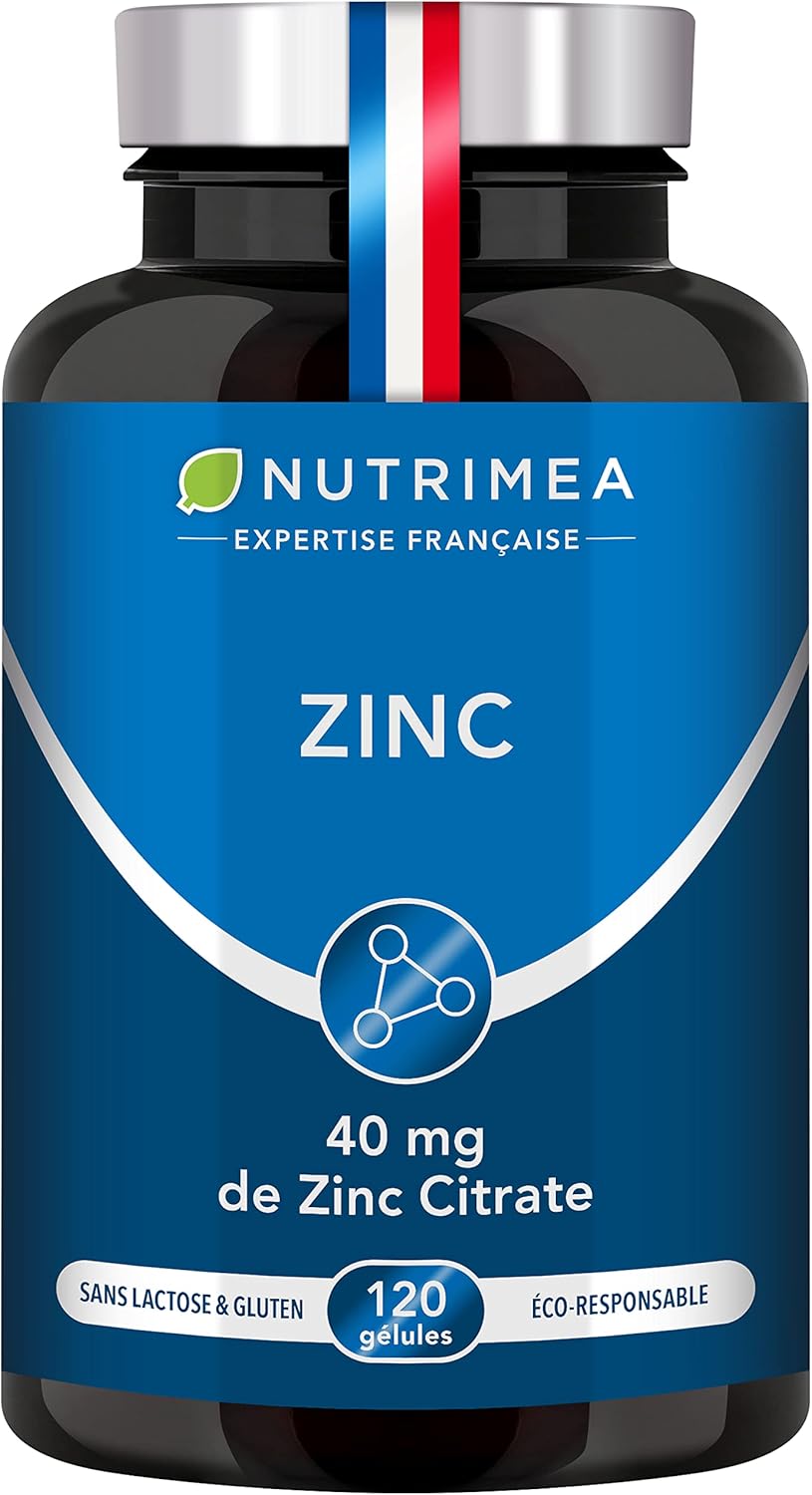
ZINC Citrate – 100% Pure Formula – High Absorption – Helps Fight Acne – Provides 40 mg including 12.5 mg Elemental Zinc (Zn) – 120 Vegan Capsules – Nutrimea – Made in France
13,41€
★★★★☆ 4.4 (2289 Reviews)
Buy Now

Other Essential Micronutrients
In addition to the key micronutrients discussed above, others also play an important role in the health of breastfeeding mothers and their babies.
Vitamin A
Role in vision and the immune system
Vitamin A is crucial for eye health and optimal immune system function. It is found in foods such as carrots, sweet potatoes, and spinach. Vitamin A is also important for infant development.

Vitamin A 10,000 IU (3000 mcg) – 365 Vegan Micro Tablets (+1 Year) – Retinol Acetate – For Eyes, Iron, Skin, Immune System (EFSA) – High Concentration
18,04€
★★★★☆ 4.5 (643 Reviews)
Buy Now
B Vitamins (especially B12)
Important for energy and the nervous system
B vitamins, particularly B12, are essential for energy production and nervous system function. Sources include meat, dairy products, and eggs. Their role is particularly important for vegetarian or vegan mothers.
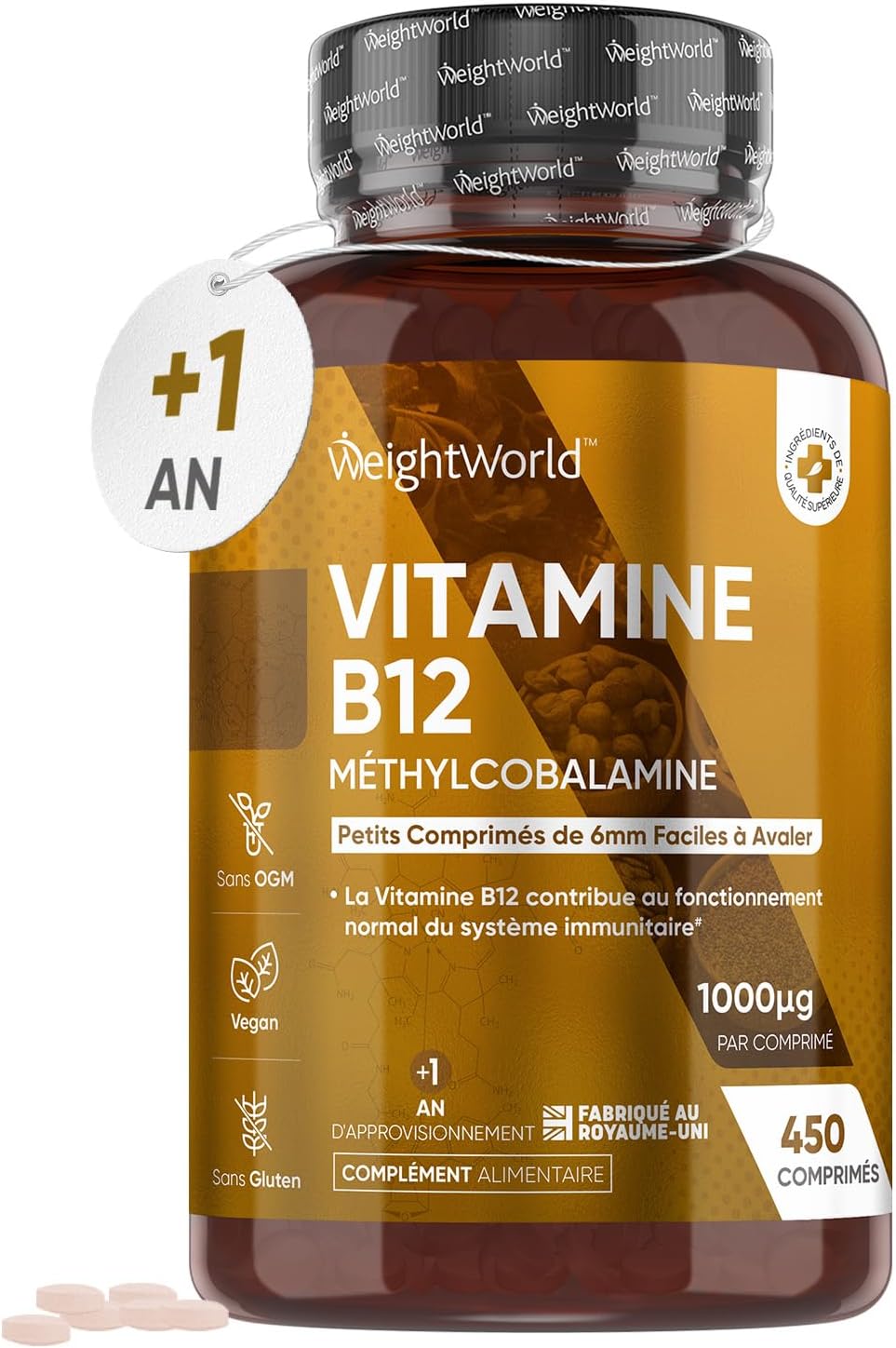
Vitamin B12 Vegan 1000 mcg, 450 Tablets (+1 Year) – Bioavailable B12 Methylcobalamin – For Energy, Immunity & Fatigue – Natural Origin & Gluten Free – Made in UK – WeightWorld
18,95€
★★★★☆ 4.5 (15492 Reviews)
Buy Now
Vitamin C
Essential for skin health and iron absorption
Vitamin C, found in fruits such as oranges and kiwis, is important for skin health and improves iron absorption. It also plays a role in the baby’s immune health.

Vitamin C – 360 Capsules – High Dose 1000 mg + 15 mg Zinc – Plant Fermentation & Buffered (pH Neutral, Non-Acidic, Stomach Friendly) – Lab Tested & Vegan
21,98€
★★★★☆ 4.5 (6132 Reviews)
Buy Now
Vitamin E
Important antioxidant for cell protection
Vitamin E, found in vegetable oils, nuts, and seeds, acts as an antioxidant, protecting cells from damage. It is essential for the mother’s health.

Vitamin E Capsule – 180 Capsules (1 Year) – 1 Capsule Every 2 Days – Powerful Antioxidant DL Alpha Tocopherol High Absorption – Contributes to Cell Protection Against Oxidative Stress
17,09€
★★★★☆ 4.4 (1293 Reviews)
Buy Now
Trace Elements: Iodine and Selenium
Important for thyroid function and infection protection
Iodine, essential for thyroid function, is found in dairy products and seafood. Selenium, present in Brazil nuts and fish, is important for infection protection. These trace elements are important for overall health.

Vitamin B12 Vegan 1000 µg | 7 Month Supply | + Iodine and Selenium | Cyanocobalamin | Recyclable | 60 Capsules Made in France | Dietary Supplements | Argalys Essentiels
17,9€
★★★★☆ 4.6 (43 Reviews)
Buy Now

Food Sources vs Supplements
The choice between food sources and supplements for obtaining essential micronutrients is crucial for breastfeeding mothers.
Guidelines for meeting micronutrient goals through diet
A balanced and varied diet is the key to obtaining the necessary micronutrients. A wide variety of foods, including fruits, vegetables, lean proteins, and dairy products, is recommended. However, certain situations, such as vegetarian or vegan diets, may require special attention, particularly for specific nutrients such as vitamin B12.
Circumstances where supplements may be necessary
In some cases, such as in regions with low sun exposure, vitamin D supplements may be necessary. Iron supplements are also recommended for mothers at risk of anemia. It is essential to consult a healthcare professional for a personalized assessment.
Tips for choosing the right supplements (if needed)
When selecting supplements, it is important to look for quality products and avoid supplements containing excessive levels of micronutrients. Advice from a healthcare professional or nutritionist is recommended to determine the appropriate supplements.

Balancing Micronutrients with Overall Diet
For breastfeeding mothers, it is essential to adopt a balanced diet that covers not only micronutrient needs but also overall energy and nutritional requirements.
The importance of a balanced diet for breastfeeding mothers
A balanced diet is crucial for providing the energy and nutrients needed for both mother and baby. This involves a balance between macronutrients (proteins, carbohydrates, fats) and micronutrients. Mothers should ensure they consume a variety of foods to cover their broad spectrum of nutritional needs. This approach is supported by studies such as that of Kodentsova et al., which emphasize the importance of adequate nutrition during breastfeeding.
Incorporating variety for a broad spectrum of nutrients
Integrating a wide variety of foods ensures that breastfeeding mothers obtain a broad spectrum of essential nutrients. This includes regular consumption of fruits, vegetables, whole grains, proteins, and dairy products. This variety not only helps maintain nutritional balance but also contributes to taste diversity and nutrients in breast milk, which is beneficial for the infant.
Understanding the signs of potential micronutrient deficiencies
It is important for breastfeeding mothers to recognize the signs of micronutrient deficiencies, which may include fatigue, weakness, and changes in skin and hair health. Recognizing and addressing these deficiencies is crucial for the health of both mother and baby. Healthcare professionals can provide valuable advice and recommend dietary adjustments or supplements if necessary.

Special Considerations
In this section, we explore the specific needs of breastfeeding mothers following vegetarian, vegan diets, or those with particular dietary restrictions.
Needs of vegetarian or vegan breastfeeding mothers
Mothers following a vegetarian or vegan diet should pay particular attention to certain micronutrients such as vitamin B12, iron, and omega-3 fatty acids. A study by Karcz and Królak-Olejnik (2020) shows that vegetarian and vegan mothers can produce breast milk of comparable nutritional value to that of non-vegetarian mothers, provided they adequately supplement their diet, particularly with vitamin B12 Karcz & Królak-Olejnik, 2020.
Managing dietary restrictions or allergies
For mothers with food allergies or specific dietary restrictions, such as lactose intolerance or cow’s milk protein allergy, it is important to find nutritious alternatives to maintain an adequate intake of essential nutrients. Soy or rice-based formulas may be alternatives when breastfeeding is not possible. It is crucial to assess nutritional needs on an individual basis, taking into account potential deficiencies Maryniak et al., 2022.
Ensuring adequate micronutrient intake
Regardless of diet or restrictions, it is essential for breastfeeding mothers to ensure they receive enough essential micronutrients for their own health and that of their baby. Consultations with healthcare professionals or nutritionists can help plan a suitable diet and choose supplements if necessary.

Conclusion
Breastfeeding is a critical period for the health of both mother and baby, when micronutrient needs are increased. It is essential that breastfeeding mothers receive a balanced, micronutrient-rich diet to support their own health and that of their baby. Key micronutrients such as calcium, iron, vitamin D, folate, and zinc play a vital role in the child’s development and well-being, as well as in the mother’s health.
For mothers following vegetarian, vegan diets or with specific dietary restrictions, additional considerations must be taken into account to ensure adequate intake of essential micronutrients. It is important to recognize the signs of potential deficiencies and consult healthcare professionals for personalized nutrition and supplementation advice.
In conclusion, good maternal nutrition, rich in essential micronutrients, is fundamental for the health and development of the infant, as well as for the well-being of the mother during the breastfeeding period. Mothers should be encouraged to adopt a balanced diet and, if necessary, consult healthcare professionals for personalized nutritional advice to ensure the best possible start for themselves and their babies.

- Adiiboka, F. (2022) highlights the importance of nutrition in preventing and managing neonatal jaundice, and how mothers’ nutritional knowledge influences the care of their babies, including during breastfeeding (Adiiboka, 2022).
- Daniels, L. et al. (2019) assessed the adequacy of micronutrient intakes of exclusively breastfed infants in Indonesia and found that most micronutrients for these infants and their mothers were below recommendations (Daniels et al., 2019).
- Panjkota Krbavčić, I., & Vukomano vić, A. (2021) discuss the need for varied and balanced nutrition for breastfeeding mothers to avoid negative effects of breastfeeding on their nutritional status and health (Panjkota Krbavčić & Vukomano vić, 2021).
- Duale, A., Singh, P., & Al Khodor, S. (2022) explain how breast milk, rich in macro and micronutrients, contributes to gut microbiome and immune system development in infants (Duale et al., 2022).
- Lockyer, F., McCann, S., & Moore, S. (2021) conducted a systematic review on the effects of breast milk micronutrients on infant neurodevelopmental outcomes, highlighting the importance of maternal nutrition on infant development (Lockyer et al., 2021).
- Kodentsova, V. M. et al. (2021) discuss optimizing micronutrient intake for breastfeeding women and exclusively breastfed children by enriching the mother’s diet (Kodentsova et al., 2021).
- Leong, C. et al. (2021) compared micronutrient intakes and health statuses of exclusively and partially breastfed Indonesian infants, showing the importance of improving maternal nutritional status and its impact on infant outcomes (Leong et al., 2021).
- Mugware, A., Motadi, S., & Mushaphi, L. (2022) focused on feeding practices and micronutrient status of children aged 0–36 months, highlighting the association between infant feeding practices and micronutrient status (Mugware et al., 2022).
- Wild, L. E. et al. (2021) examined the risk of micronutrient inadequacy among Hispanic breastfeeding mothers, highlighting the risk of folate, vitamins A, D, E deficiency and excessive sodium intake (Wild et al., 2021).
- Orlova, S. et al. (2021) discussed the influence of vitamin and mineral complexes on breast milk composition, emphasizing the importance of adequate nutrition for breastfeeding mothers (Orlova et al., 2021).
Learn More About Nutrition and Breastfeeding

Essential Micronutrients for Breastfeeding
Balanced Diet for Breastfeeding
Essential Supplements for Breastfeeding


